
Why choose a prefab house for your home?
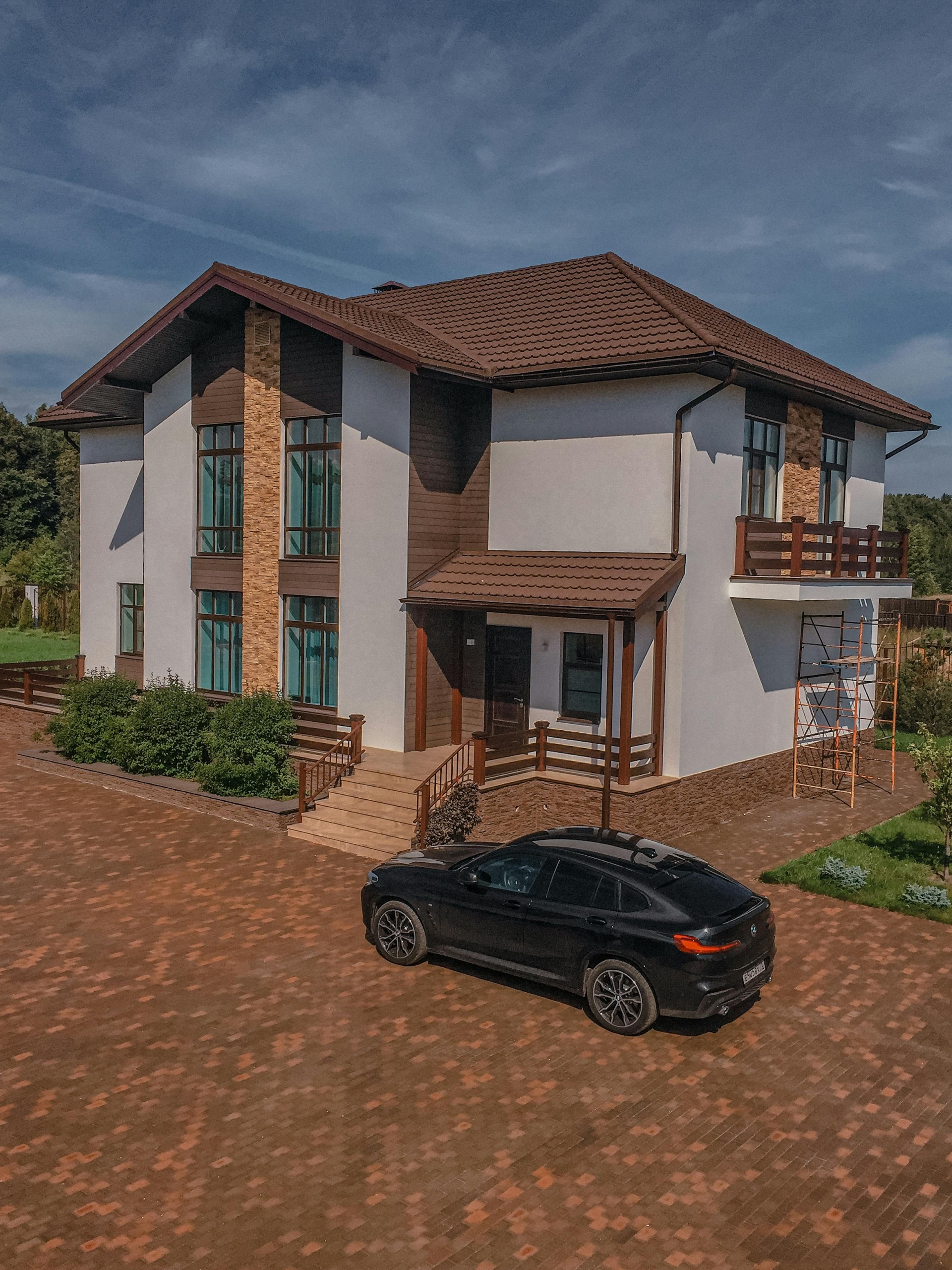
It is an acknowledged fact that prefabricated houses are gaining popularity at an accelerating pace. They are more than a good choice because they can be designed with a great layout, built extremely quickly and in most cases be well priced. If investing money in an apartment space or monolithic construction is not what you want most, a prefabricated house with wooden or metal construction would be a perfect choice. The team at Dealehome has prepared for you several reasons why they are preferred by many.
Wooden prefabricated houses are similar to traditional structures in terms of insulation of floors, walls, ceilings, doors and windows. They can be constructed from solid wood as well as other wood materials such as particleboard, plywood and others. At the same time, other materials common in monolithic construction, such as wool, gypsum fibre and concrete for the base, are also used in production. Many manufacturers offer warranties on prefabricated wooden houses for up to 50 years, while they can last up to 300 years if stored properly. It is important to agree all details of operation with the manufacturer and to consider the risks and benefits of this type of construction.
Fast construction and flexibility in design:
Compared to the projects for monolithic houses and green apartments, the prefabricated houses are distinguished by their quick realization within the planned timeframe. The construction process, including electrical and plumbing installations, working heating and lighting as well as high-quality thermal and sound insulation, usually takes only months, depending on the characteristics of the construction. Prefabricated houses use pre-manufactured components, which significantly reduces construction time. This method allows owners to be in their new home significantly faster than traditional construction.

Cost Effective:
One of the key benefits of energy efficient prefabricated houses is the cost. The price range of prefab homes can vary greatly, depending on the choice of size, furnishings, major systems, design and other factors. However, unlike traditional construction, prefabricated houses require less time and resources to build, reducing costs significantly. Optimal use of materials and smart technologies makes them budget efficient.
Environmental sustainability: Prefabricated wooden houses are not only a budget solution, but also make a significant contribution to environmental protection. The use of wood, metal and thermowood as the main building material gives future homeowners the opportunity to choose special, eco-friendly options for their home. The use of well-insulating materials and advanced technology results in lower heating and cooling costs. This not only helps protect the environment, but also results in savings for homeowners.
Mobility and contemporary design:
Another important advantage of prefabricated houses is their significantly lighter construction compared to traditional monolithic construction. This fact opens the door to building possibilities on sites that normally do not allow the construction of more massive and solid structures. Prefabricated houses can be dismantled and moved, making them suitable for people who need a mobile home. You also have the freedom for individual architectural design tailored to your personal needs and preferences. The ability to customize your home as well as fulfill individual architectural requirements makes the prefab house an attractive option for those looking for uniqueness in their home.
What are the necessary documents for a prefabricated house?
In order to make your dream prefabricated house a reality, you need to choose a suitable building site and have a title deed or building right. In advance, you must obtain a sketch of the site from the Office of Surveying, Cartography and Cadastre, as well as a design visa to be used in the preparation of the investment project. You must then conclude a contract with a designer and preliminary connection agreements with the relevant electricity and water companies. After obtaining a building permit, you must enter into a contract with a builder, ensuring the house is built to all standards and requirements. It is important to note that prefabricated houses require the same documentation as those made of other materials, ensuring the legal and quality construction of your dream home.
In conclusion, prefabricated houses provide a whole new approach to residential construction, balancing speed of construction with flexibility in design. The choice of a prefabricated house depends on the individual needs, preferences and budget of the future owners. With careful planning and selection, a prefabricated house can offer a contemporary, comfortable and energy efficient home, suited to the demands of a rapidly changing world.


