
What to check before buying an apartment
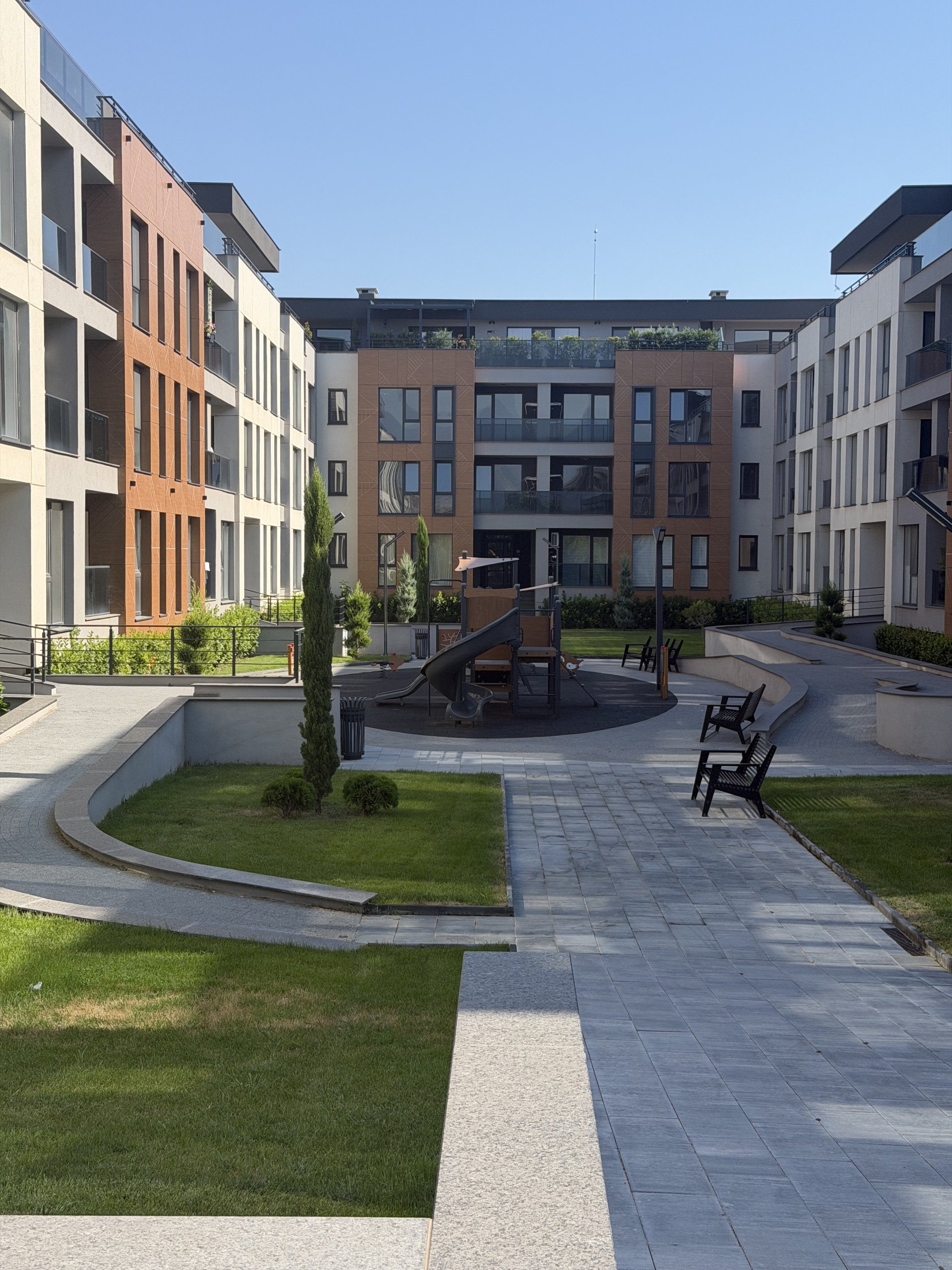
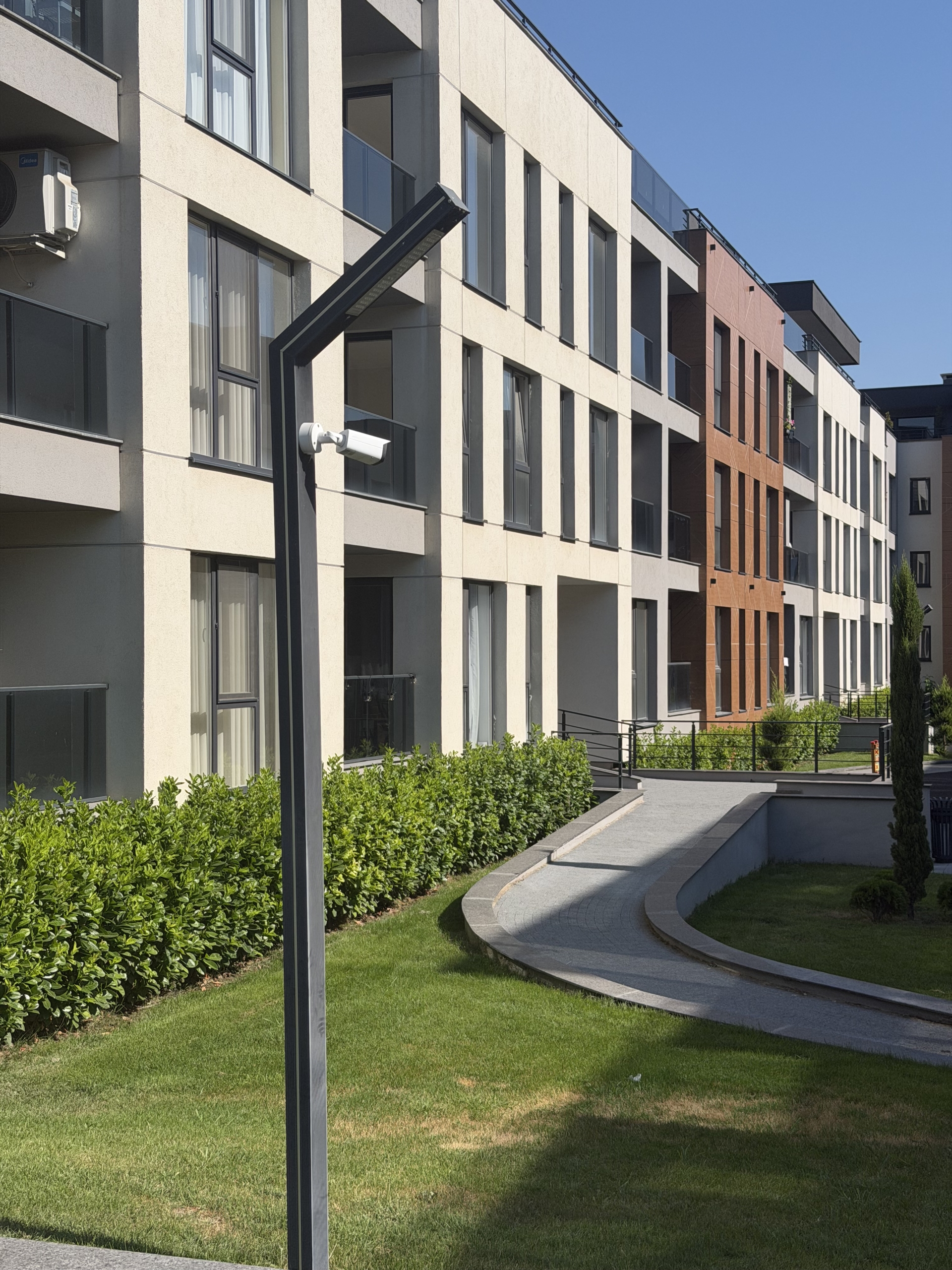
1. Visit the property in the evening
A viewing at 11:00 a.m. on a Tuesday may show you a completely different neighbourhood from the one you will actually live in.
Come back between 6:00 and 8:00 p.m.
That is when you can see whether parking is really available, how busy the traffic becomes and how much noise there is.
If you may live there for years, those extra 20 minutes are worth it.
2. Look at what is outside the window — and what could be there in three years
A good view has value.
But an empty plot in front of the balcony does not necessarily mean it will stay empty.
If the view, natural light or feeling of openness is one of the main reasons you like the property, check the planning status of nearby land and whether future construction is possible.
Today’s mountain view may eventually become a view of another building.
3. The entrance tells you more than you think
Do not rush straight into the apartment.
Look at:
- the entrance door;
- the lift;
- the staircase;
- basement areas;
- smells;
- lighting;
- mailboxes;
- the condition of common areas.
Well-maintained common areas often suggest that the owners are able to make decisions together and take care of the building.
Neglected common areas also tell you something — and it should not be ignored.
4. Neighbours are not listed in the title deed, but they come with the property
You cannot choose who lives above or next to you.
But you can try to understand the environment.
If possible, speak to someone in the building.
Ask whether there are problems with noise, the lift, the roof, common areas or parking.
A short conversation can sometimes reveal information you will never find in a property listing.
5. Check the parking situation, even if you do not own a car today
“There is parking in front of the building” is not the same as “I have a parking space.”
If a garage or parking space is included, clarify its legal status and exactly what you are buying.
If there is no private space, visit the area in the evening.
Parking affects not only your convenience today, but also how attractive the property may be to a future buyer or tenant.
6. Don’t look only at square metres. Check your everyday life.
Open the map and look at what is really nearby:
schools, kindergartens, public transport, shops, parks, pharmacies, hospitals and busy roads.
Most importantly, consider the distances in relation to your own daily life, not just the wording in the listing.
This is where structured property search can be useful. On Dealehome, for example, the map and detailed property characteristics can give you an initial sense of the area before arranging a viewing, without requiring the owner to publish the exact address.
This does not replace visiting the area in person. It simply helps you avoid wasting time on properties that do not meet your basic lifestyle criteria.
7. Value first. Price second.
Two apartments of the same size can have completely different value.
One may offer good natural light, a quiet position, practical parking, well-maintained common areas and convenient transport.
The other may be slightly cheaper, but cost you in compromises every single day.
So before buying, do not ask only:
“Is the price good?”
Ask:
“What am I getting for this price?”
The price is the number in the listing.
Value is everything you will live with after the purchase.
Frequently Asked Questions
What is most important to check before buying an apartment?
In addition to the documents and condition of the apartment, check the building, common areas, neighbourhood, parking, noise, transport links and possible future construction nearby.
How can I find out whether another building may be constructed in front of the apartment?
Do not rely only on what you see today. If you are seriously considering the property, check local planning information and the status of neighbouring plots with the relevant municipality or an appropriate specialist.
When is the best time to visit the area before buying?
Visit at least once outside the official viewing time. A weekday evening is especially useful for assessing traffic, noise and the real parking situation.
Is price or location more important?
A lower price does not automatically make a property a better deal. Location, surroundings, transport, building quality and everyday convenience can strongly affect both your quality of life and the property’s future value.
Before buying the square metres, check the life around them.
buying an apartment, property viewing checklist, what to check before buying property, parking near apartment, neighbours when buying property, future construction near property, property value
Before buying an apartment, check more than the price. Learn what to inspect around the property: parking, neighbours, future construction, noise and location.


