
What do we need to know about gated communities? Advantages and disadvantages
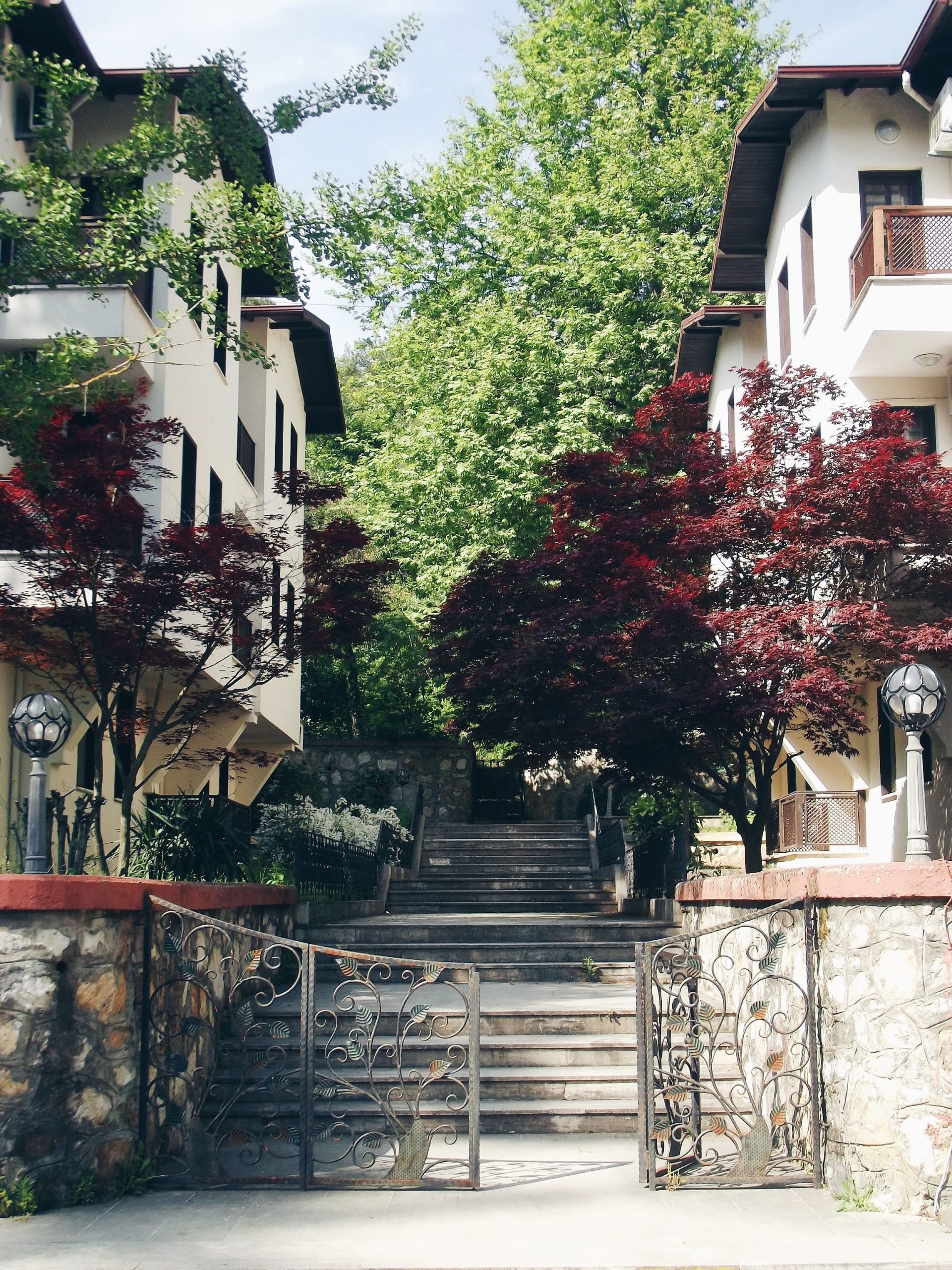
Living in a gated community is an option that attracts many people, offering a combination of convenience and security. However, like any other housing option, it has its advantages and disadvantages. In this article, we'll take a look at what they are and how they can affect your daily life.
What are gated communities?
Before considering the positive and negative aspects of gated communities, it is important to familiarize ourselves with their definition and basic characteristics.
A gated complex, in accordance with the Condominium Management Act (CMA), is a separate regulated land property on which buildings are constructed in a condominium regime serving the owners and occupants, subject to the requirements for controlled access for outsiders.
In order to be recognised as a gated residential complex, the complex must meet the following criteria:
- Presence of at least 4 buildings under condominium regime: the gated community must include at least four separate buildings that are subject to condominium regime.
- In addition to the dwelling units, there must be other facilities providing services and activities for the needs of the owners and occupants, such as sports grounds, recreation areas, playgrounds, etc.
- Controlled access for outsiders: The property shall be segregated and provide controlled access limiting the ability of outsiders to enter freely.
In the following lines we will explore the positive and negative aspects of living in a gated community, providing a more detailed insight into this housing model.
.png)
Advantages of gated complexes
- Peace of mind and security
One of the main attractions of living in a gated community is the high level of security. Sophisticated access control systems, as well as the constant presence of live security and CCTV, make access to the complex extremely limited. Outsiders who do not have authorization cannot enter the complex, and every movement is monitored. These protective measures make criminal activity a rarity and residents can feel absolutely safe in their home.
The complexes themselves are located in quiet and green areas, away from the hustle and bustle of city traffic where ample space is provided between buildings. This creates a pleasant and harmonious environment that contributes to a more relaxed lifestyle. The green oases combined with the well-designed infrastructure make the complexes an ideal place for those who appreciate tranquillity and closeness to nature. In addition, residents of the gated community have the opportunity to get to know each other. Over time, a small community is formed where people help and support each other in their daily needs. This social aspect of living in a gated community creates an additional sense of community and solidarity.
- Facilities
The creation of gated communities is intended to provide not just a place to live, but to form a "city within a city". These developments are built with the idea of creating a community where residents can enjoy peace, safety and comfort. Gated communities offer their own infrastructure, authentic style and extensive green spaces. They include various facilities designed to meet the daily needs of residents - shops, pharmacies, kindergartens and more. In addition, they also feature additional amenities such as gyms, spas, beauty studios and restaurants. A distinctive element in these complexes are the specially designed playgrounds and play areas which, along with the beautiful green spaces, provide families with indispensable pleasure and convenience.
- Parking space provided
Another significant advantage of gated complexes is the provision of convenient parking spaces for the owners and residents of the complex. The problem of limited parking spaces is a challenge faced by citizens in large cities. The idea of returning from a busy day at work and saving the time and effort of searching for a parking space is becoming a significant incentive for more and more people to turn their attention to buying a home in a gated community. In addition, gated communities offer the opportunity to secure more than one parking space, meeting the needs of modern families owning more than one vehicle
- Established rules of life and maintenance of the complexes
The gated complexes have a clear and strict set of house rules that are binding on all residents. These regulations play a key role in maintaining peace and security in the community. The rules cover all aspects of daily life in the compound and aim to regulate the behaviour of residents. This approach helps to provide a number of benefits including reducing inter-neighborhood problems and conflict, ensuring a harmonious community and enhancing quality of life.
Another advantage of living in a gated community is the high level of maintenance and care of the common areas. For this purpose, the complex hires specialized companies responsible for regular cleaning of common areas, maintenance of green areas and infrastructure. This approach frees residents from having to take care of these aspects of their daily lives, allowing them to focus on their personal and professional commitments.
Disadvantages of gated complexes
- Remoteness from the city centre
Although tranquillity and a pleasant environment are advantages, living on the outskirts of the city certainly has some disadvantages. One of these is the distance from key sites and institutions in the city. Residents of a gated community often have to spend considerable time commuting to and from work, and having a private car is almost a must. Also, getting to schools, hospitals, banks, entertainment venues and other important downtown locations requires extra effort and time.
- Pet restrictions
Restrictions on pets in gated communities play a key role in maintaining harmony and cleanliness in common areas. Although many see these complexes as an ideal place to keep and walk pets, the reality can be more complicated. In many gated complexes, pet ownership is allowed, but under strict rules. In some cases, owners are required to walk their dogs outside the compound, and in others it is even prohibited. Because gated communities are usually located in remote locations away from city parks, finding a suitable place to walk can be a challenge for pet owners. In cases where walking in common areas is allowed, owners often have to pay additional fees for keeping the area clean and tidy.
- Maintenance fees
The introduction of an annual maintenance fee in gated communities is a common practice to ensure quality maintenance of the common areas and infrastructure of the complex. Residents of the complex pay this fee, which is used to fund services such as cleaning, repairs, green space maintenance and more. The management and maintenance contract that the owners enter into with the company sets out the terms of this fee. It is usually based on the square footage of the property they own. Owners of larger apartments will of course have a higher fee than those with smaller homes. This fee is part of the regular costs of residents in a gated community and should be included in their budget. It is important to note that switching management and maintenance companies can be challenging due to the restrictions that developers of the complex may impose.
Despite these drawbacks, living in a gated community remains the preferred choice for many, offering a balance of comfort, security and social community. If you are considering purchasing a home in a gated community, you should consider your individual needs and preferences. It's important to weigh both the pros and cons carefully to make an informed decision about your housing choice.


