
Everything You Need to Know About Photovoltaic
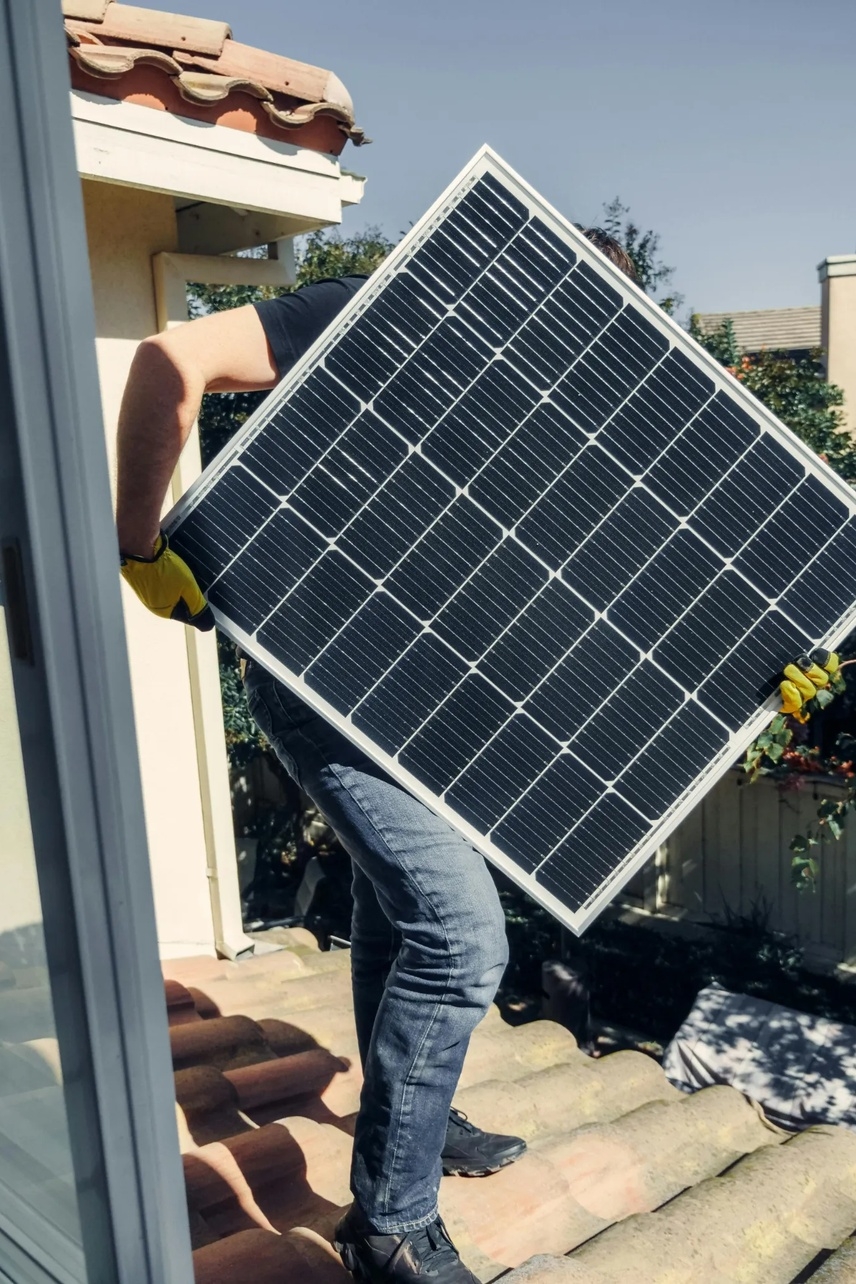
What Are Photovoltaic?
Photovoltaic (PV) are systems that convert sunlight into electricity using solar cells. These cells generate direct current (DC), which is then transformed into alternating current (AC) — the type of electricity used in homes.
Solar energy is:
- renewable
- clean
- low‑maintenance
- cost‑effective in the long run
This makes photovoltaic one of the most attractive energy solutions for modern households.
A complete PV system typically includes:
- Solar panels — capture sunlight
- Inverter — converts DC to AC electricity
- Mounting structures — roof or ground installation
- Cables and safety components
- Batteries (optional) — store excess energy
When sunlight hits the panels, electricity is produced instantly. If you have a battery, the system stores unused energy for later. If you are connected to the grid, you can draw electricity when needed. Types of Photovoltaic Systems
1. On‑grid system
Connected to the public electricity grid. Ideal for urban homes.
2. Off‑grid system
Fully independent, requires batteries. Perfect for remote areas.
3. Hybrid system
Combination of grid connection and battery storage. The most flexible and future‑proof option.
Advantages of Photovoltaic
1. Lower Electricity Bills
Solar panels can reduce your electricity costs by up to 80%, depending on system size and consumption. Learn more: How solar panels reduce electricity bills
2. Energy Independence
You rely less on utility companies and fluctuating prices. Explore: Energy independence with solar panels
3. Long Lifespan (25–30 years)
Modern panels are extremely durable and require minimal maintenance. More info: How long do solar panels last
4. Eco‑Friendly Solution
Solar energy produces zero emissions and reduces your carbon footprint. See: Environmental benefits of solar panels
5. Increases Property Value
Homes with solar systems are more attractive to buyers and often sell faster.
Disadvantages of Photovoltaic
1. High Initial Investment
The upfront cost can be significant. Details: Solar system price
2. Weather‑Dependent Production
Solar panels produce less energy on cloudy days or during winter. Learn more: Solar energy production in winter
3. Requires Installation Space
You need a suitable roof or ground area. See: How much space is needed for solar panels
4. Expensive Batteries
Battery storage significantly increases the total cost. More info: Solar battery price
How Much Do Photovoltaic Cost in Bulgaria?
| System Size | Type | Price (EUR) |
|---|---|---|
| 3–5 kW | Home system | 2,000–4000 |
| 5–10 kW | Hybrid system | 4,000–8,000 |
| Battery | 5–10 kWh | +2,000–5,000 |
Return on investment: Most homeowners recover their investment within 5–7 years.
Are Photovoltaic Worth It in Bulgaria?
Yes — if you:
- own a house with a suitable roof
- want to reduce electricity bills
- plan long‑term home improvements
- value energy independence
Not ideal if:
- you lack installation space
- you cannot afford the initial investment
Final Thoughts for Homeowners
Installing a photovoltaic system is one of the smartest long‑term investments for your home. It reduces your monthly expenses, increases property value, and protects you from rising energy prices.
If you're considering solar energy, understanding the pros and cons will help you make the best decision for your property and budget.
- photovoltaics
- solar panels
- solar panel price
- photovoltaic system
- solar installation
- pros and cons of photovoltaics
- home solar systems
- renewable energy
- solar batteries


