
Dishwashers: Pros and Cons — What Do We Gain and Is There Anything We Lose?
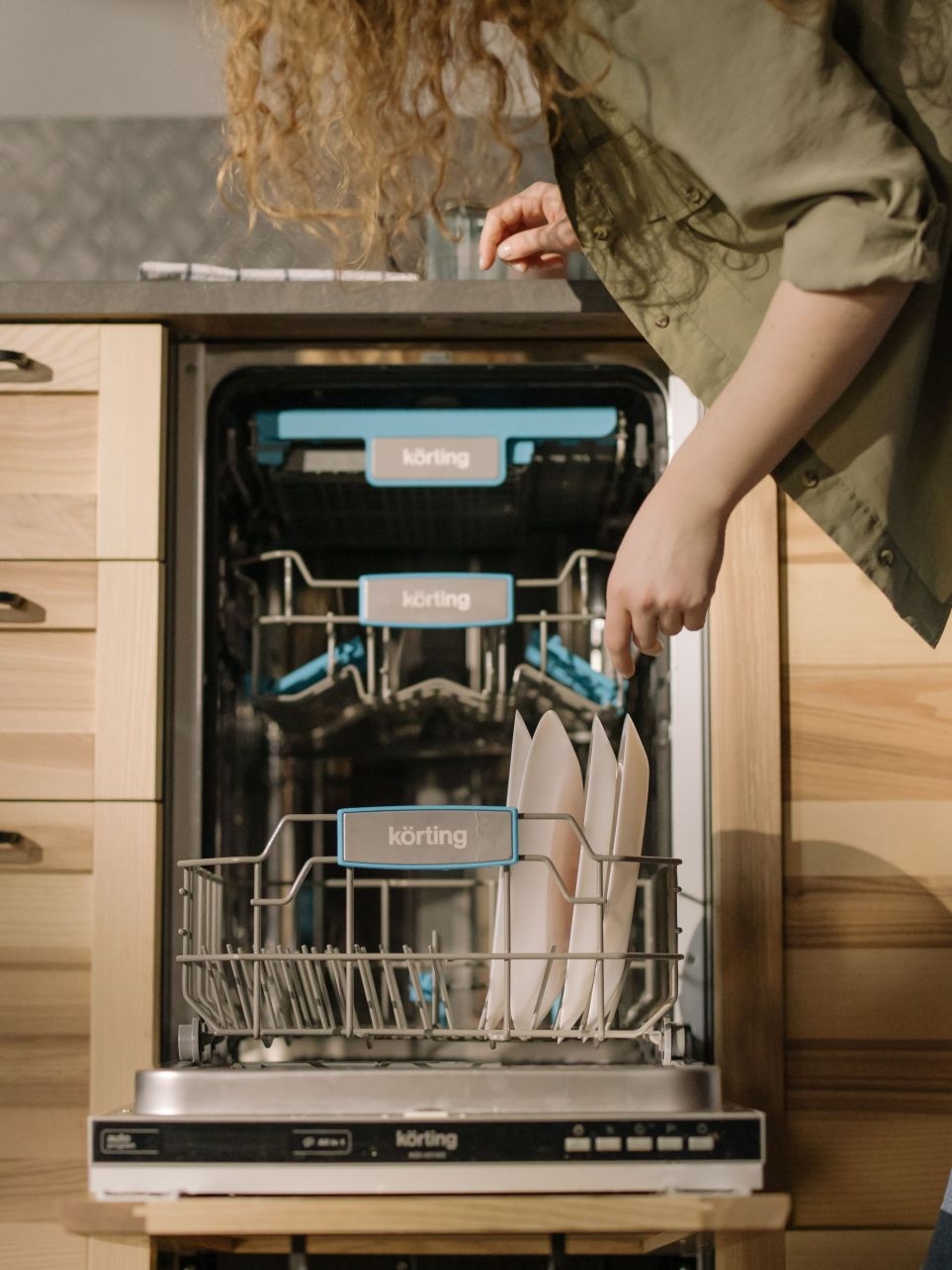
Dishwashers: Pros and Cons — What Do We Gain and Is There Anything We Lose?
A dishwasher is one of the most debated appliances in the modern home. For some, it’s an essential time‑saving tool; for others, it feels unnecessary or not worth the investment. The truth lies somewhere in between — and the right choice depends on your lifestyle, habits, and priorities.
This article breaks down what you gain, what you might lose, and whether a dishwasher is truly worth it for your household.
What Do We Gain When Using a Dishwasher?
1. Significant Time Savings
Handwashing dishes can take 60–90 minutes per day in a family household. A dishwasher reduces this to just a few minutes — load, start, done.
That’s 20+ hours saved every month, which you can spend on work, rest, or family time.
2. Lower Water Consumption
Contrary to popular belief, dishwashers use far less water than handwashing. Modern models typically use 6–10 liters per cycle, while handwashing can use 60–100 liters.
This makes dishwashers up to 10 times more water‑efficient.
Learn more: Water‑efficient appliances
3. Better Hygiene and Higher Temperatures
Dishwashers wash at temperatures up to 70°C, which is impossible to achieve safely by hand. This ensures:
- better sanitation
- fewer bacteria
- cleaner, shinier dishes
Explore: Dishwasher hygiene benefits
4. A Cleaner, Tidier Kitchen
No more piles of dishes in the sink. No more clutter on the counter. Everything stays hidden inside the machine until the cycle is done.
5. Less Damage to Dishes
Handwashing often leads to:
- scratches
- chips
- faded patterns
Dishwashers are gentler on most dishware when used correctly.
6. Lower Energy Bills (with Eco Programs)
Modern dishwashers include:
- eco cycles
- smart sensors
- low‑energy modes
These features reduce electricity consumption significantly.
What Do We Lose When Using a Dishwasher?
1. Initial Investment
A good dishwasher costs 600–1500 BGN, depending on size and features. Installation may add extra cost.
2. Not All Items Are Dishwasher‑Safe
You should avoid washing:
- wooden cutting boards
- cast iron cookware
- delicate crystal
- hand‑painted ceramics
This requires a bit of planning.
Learn more: What not to put in a dishwasher
3. Space Requirements
Small kitchens may struggle to fit a built‑in dishwasher. Compact or countertop models can be an alternative.
4. You Need to Wait Until It’s Full
For maximum efficiency, it’s best to run the dishwasher when full. Small households may need 1–2 days to fill it.
5. Occasional Imperfect Results
If:
- dishes are loaded incorrectly
- food is left to dry
- the filter is dirty
… the cleaning results may vary. This is usually solved with proper loading habits.
Dishwasher: Yes or No?
Choose “YES” if you:
- cook often or have a family
- value your time
- want a cleaner, tidier kitchen
- want to save water
- care about hygiene
Choose “NO” if you:
- have a very small kitchen
- rarely cook
- are on a tight budget
- own many non‑dishwasher‑safe items
Final Conclusion
A dishwasher is a home appliance that saves time, water, effort, and stress. It keeps the kitchen tidy, improves hygiene, and makes daily life easier.
Yes, there are a few downsides — but for most households, the benefits far outweigh the disadvantages.
If you want convenience, cleanliness, and more free time, a dishwasher is absolutely worth considering.
Dishwasher: Pros and Cons — What You Gain and What You Might Lose | dealehome
Discover the real pros and cons of using a dishwasher. Learn what you gain, what you might lose, and whether this appliance is worth it for your home. Practical guide for modern households.


