
Common Areas When Buying an Apartment: What You Need to Know
The difference can be significant.
What exactly are common areas?
Under Bulgarian property law, certain parts of a building in condominium ownership are jointly owned by the individual owners.
These may include, for example:
- the land on which the building stands, where it is jointly owned;
- foundations;
- external walls;
- load-bearing walls;
- columns and structural elements;
- floor slabs;
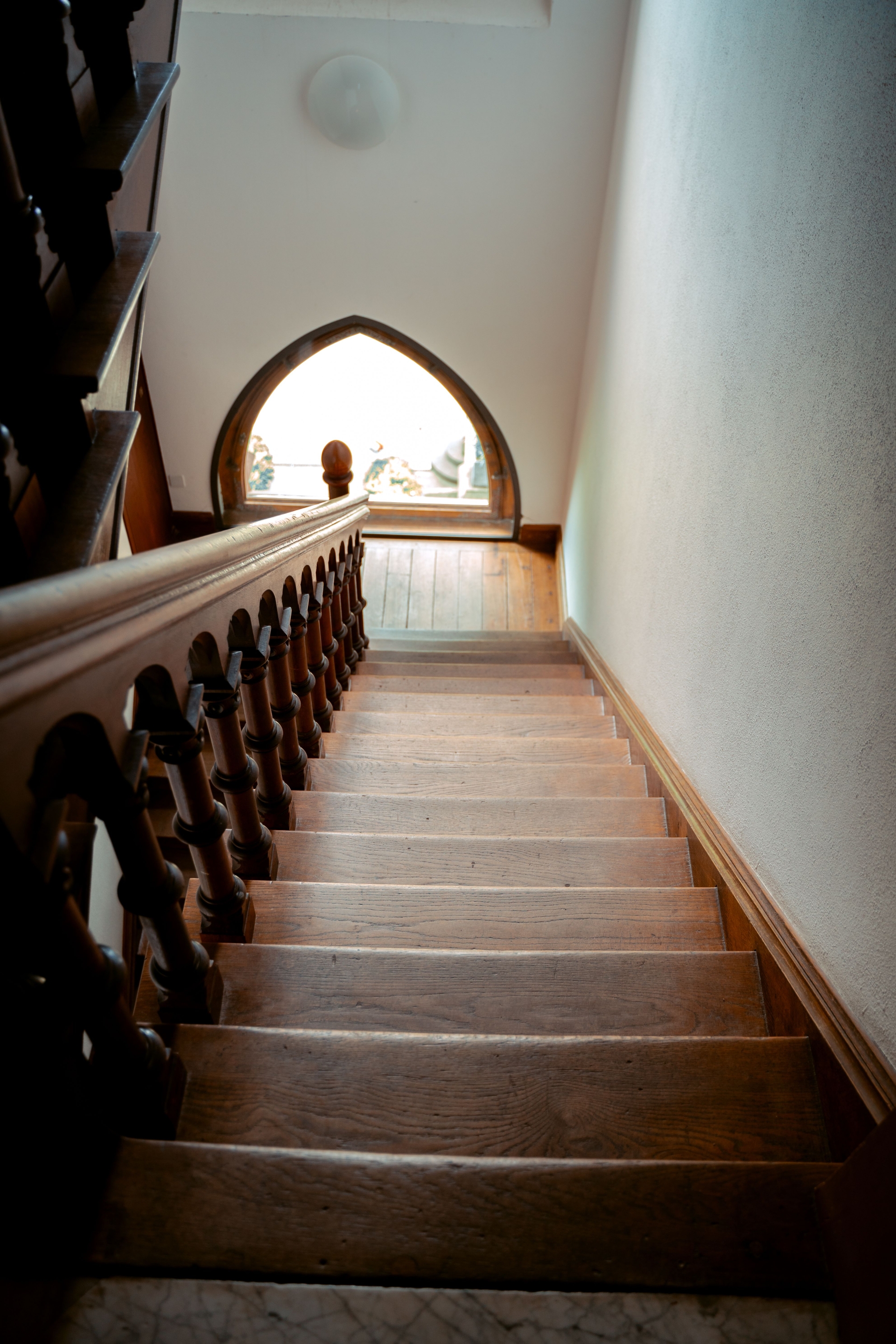
- staircases;
- landings;
- the roof;
- common entrance doors;
- lifts;
- main utility and installation lines;
- rainwater pipes;
- and other parts which, by their nature or purpose, serve common use.
The legal basis is Article 38 of the Bulgarian Property Act.
As a rule, these common parts cannot simply be divided into separate physical areas assigned to individual owners.
What does “ideal share” mean?
When you buy an apartment in a condominium building, you do not acquire only the apartment itself.
A certain ideal share of the building’s common areas belongs to the apartment as well.
“Ideal” means that, for example, if you own 5% of the common staircase, that does not mean you own five specific steps.
Instead, you own a percentage share of the common property as a whole.
This percentage can also be relevant when it comes to building management, certain expenses, repairs and voting rights.
Are common areas included in the net area of the apartment?
No.
However, the terminology used in property listings can easily confuse buyers.
“Net area” is widely used in everyday and commercial language, but by itself it is not precise enough for a legal property check.
What matters is the area recorded in the official documents for the individual property unit, and separately the share of the common areas that belongs to it.
Under cadastral rules, an individual property unit is recorded with its “area according to document”, while the ideal shares of the common areas are a separate ownership element.
So, for example, you may see a listing stating:
Total area: 100 sq.m
while the documents may show approximately:
**Apartment: 86 sq.m
- corresponding ideal shares of the common areas**
This does not automatically mean that anything unlawful has happened.
It simply means that you need to understand how the advertised figure was calculated.
How are common areas recorded in the title deed?
In apartment transactions, the individual property unit is usually described separately, followed by the ideal shares attached to it.
A typical structure would be similar to:
“Apartment … with a built-up area of … sq.m, together with …% ideal shares of the common parts of the building…”
Depending on the ownership structure of the land, there may also be ideal shares of the land itself or of the right to build.
The exact wording, however, depends on the specific property, the construction documents and the previous ownership documents.
Bulgarian condominium legislation also distinguishes between the built-up area of the individual property unit and the ideal shares of the common areas expressed as a percentage.
What if the title deed does not state a percentage?
Bulgarian condominium law provides a mechanism for cases where the ideal shares have not been expressly determined in the ownership documents.
For the purposes of the law, they may be calculated according to the ratio between the area of the specific individual property, together with the attached storage premises, and the corresponding areas of all individual properties in the building.
So the absence of a stated percentage does not mean that the owner has no rights in the common areas.
But when buying a property, this is something worth clarifying in advance.
Why should buyers be especially careful with new-build properties?
Because property advertisements frequently use the term:
“total area”
This may combine:
the apartment area + the corresponding common areas.
And if you compare two properties only by:
price ÷ advertised square metres
you may get a misleading result.
For example:
Apartment A
Price: €200,000
Advertised area: 100 sq.m
Apartment area: 86 sq.m
Apartment B
Price: €200,000
Advertised area: 94 sq.m
Apartment area: 89 sq.m
At first glance, Apartment A appears larger.
But the actual apartment area you receive may be smaller.
That is why price per square metre is meaningful only when you are comparing the same type of area.
What should you ask for before paying a deposit?
Do not rely only on the square metres stated in the listing.
Ask to see:
- the title deed or other ownership document;
- the cadastral scheme of the individual property unit, where an approved cadastral map exists;
- the area stated in the official documents;
- the percentage of ideal shares;
- the architectural plan, particularly for new construction;
- an explanation of how the “total area” in the listing was calculated.
The cadastral records for an individual property unit include its identifier, floor, outline, number of levels, intended use and area according to document.
Don’t look only at the number in the listing
Clear property presentation matters to both buyers and sellers.
When the area, features, floor, rooms and other characteristics are structured clearly, it is much easier to understand what the property actually offers.
This is also the logic behind Dealehome listings: important property characteristics can be shown separately instead of being buried in free-form text.
But regardless of which platform you use to find the property, once your interest becomes serious, always compare the listing information with the official documents.
The listing helps you find the property. The documents tell you what you are actually buying.
The most important question
The next time you see:
“Apartment – 100 sq.m”
do not ask only:
“What is the price per square metre?”
First ask:
“100 sq.m of what exactly?”
Because the area of the apartment itself and the ideal shares of the building’s common areas are not the same thing.
And when the investment involves tens or hundreds of thousands of euros, it is worth understanding that difference before paying a deposit, not after signing the title deed.
Frequently Asked Questions
Are common areas part of the apartment?
No. They are jointly owned by the owners in the building, while a specific ideal share of those common areas belongs to each apartment.
Can common areas be included in the square metres shown in a property listing?
Yes, especially in new-build listings, sellers may advertise a “total area” that includes both the area of the apartment and a corresponding share of the common areas. That is why buyers should always check how the advertised figure has been calculated.
Where can I find the actual area of the apartment?
Check the ownership document, the cadastral scheme and, where necessary, the architectural documents. The cadastral records for the individual property unit contain the “area according to document”.
How are ideal shares recorded in the title deed?
Usually, after the description of the individual property unit, the title deed states that it is acquired together with a specified percentage of ideal shares of the building’s common areas and, depending on the specific case, possibly of the land or the right to build.
Is the lift a common area?
Yes. The Bulgarian Property Act expressly includes lifts among the common parts of a building.
What are common areas in a residential building, are they included in the apartment’s size, and how are they recorded in the title deed? Learn what to check before buying.
Legal basis: Article 38 of the Bulgarian Property Act, the Condominium Ownership Management Act and the Cadastre and Property Register Act. For a specific transaction, the documents for the individual property should be reviewed separately by a notary or lawyer


